Archives
- 2026-07
- 2026-06
- 2026-05
- 2026-04
- 2026-03
- 2026-02
- 2026-01
- 2025-12
- 2025-11
- 2025-10
- 2025-09
- 2025-03
- 2025-02
- 2025-01
- 2024-12
- 2024-11
- 2024-10
- 2024-09
- 2024-08
- 2024-07
- 2024-06
- 2024-05
- 2024-04
- 2024-03
- 2024-02
- 2024-01
- 2023-12
- 2023-11
- 2023-10
- 2023-09
- 2023-08
- 2023-07
- 2023-06
- 2023-05
- 2023-04
- 2023-03
- 2023-02
- 2023-01
- 2022-12
- 2022-11
- 2022-10
- 2022-09
- 2022-08
- 2022-07
- 2022-06
- 2022-05
- 2022-04
- 2022-03
- 2022-02
- 2022-01
- 2021-12
- 2021-11
- 2021-10
- 2021-09
- 2021-08
- 2021-07
- 2021-06
- 2021-05
- 2021-04
- 2021-03
- 2021-02
- 2021-01
- 2020-12
- 2020-11
- 2020-10
- 2020-09
- 2020-08
- 2020-07
- 2020-06
- 2020-05
- 2020-04
- 2020-03
- 2020-02
- 2020-01
- 2019-12
- 2019-11
- 2019-10
- 2019-09
- 2019-08
- 2019-07
- 2019-06
- 2019-05
- 2019-04
- 2018-07
-
Hymenialdisine the most potent inhibitor of parasite TgCK en
2021-07-08

Hymenialdisine, the most potent inhibitor of parasite TgCK1 enzymes in vitro has no whole cell anti-parasitic activity (Table 2). Like purvalanol B however, this MPC 6827 hydrochloride also displays poor activity against target enzymes in cultured cells. For example, in vitro IC50 values for inhibit
-
Previously published data showed an interaction of tubulin a
2021-07-08

Previously published data showed an interaction of α-tubulin and CK1δ [15] that was validated in the present study using SPR (Fig. 1A). The dominant motifs involved in the CK1δ/α-tubulin interface were defined using a peptide library of peptides covering the CK1δ amino ryanodine sequence (Supplemen
-
Furthermore certain components in the
2021-07-08
Furthermore, certain components in the Melanocyte Growth Medium seem to influence the response to UV radiation [17]: UV-induced effects on tyrosinase activity were less distinct in melanocytes cultured with phorbol 12-myristate 13-acetate [18], which was also an ingredient in our Melanocyte Growth M
-
br Role of ERK signaling in
2021-07-08
Role of ERK signaling in preventive and therapeutic potential of flavonoids in neurodegenerative diseases ERK is one of the main pharmacological targets of natural phenolic compounds and contributes to several therapeutic approaches including anti-atherogenic, anti-cancer, anti-colitis, anti-arth
-
We further assessed EBI expression in RRMS patients before a
2021-07-07
We further assessed EBI2 expression in RRMS patients before and during NTZ treatment. A significant increase of EBI2 expression was observed in memory CD4+ T cell subpopulations, but not in CD8+ T cell or in CD19+ B cell subsets of patients undergoing NTZ treatment, with a parallel gain in the migra
-
In this study we implicate SCFFBXO E ligase as a
2021-07-07

In this study, we implicate SCFFBXO3 E3 ligase as a critical modulator of inflammation in atherosclerosis and demonstrate the efficacy of a small molecule FBXO3 inhibitor in suppressing inflammatory responses important in atherosclerosis. Specifically, individuals carrying a hypofunctioning genetic
-
br RING dimerization RING type domains are
2021-07-07
RING dimerization RING-type domains are found in many different structural contexts. While many exist as single-chain sq 22 receptor (Fig. 3A), a notable feature of RING-type E3s is their tendency to form homodimers and heterodimers (Fig. 3C–F). Homodimeric RING-type E3s include cIAP, RNF4, BIRC
-
br Ubiquitylation of the TGF BMP pathway
2021-07-07
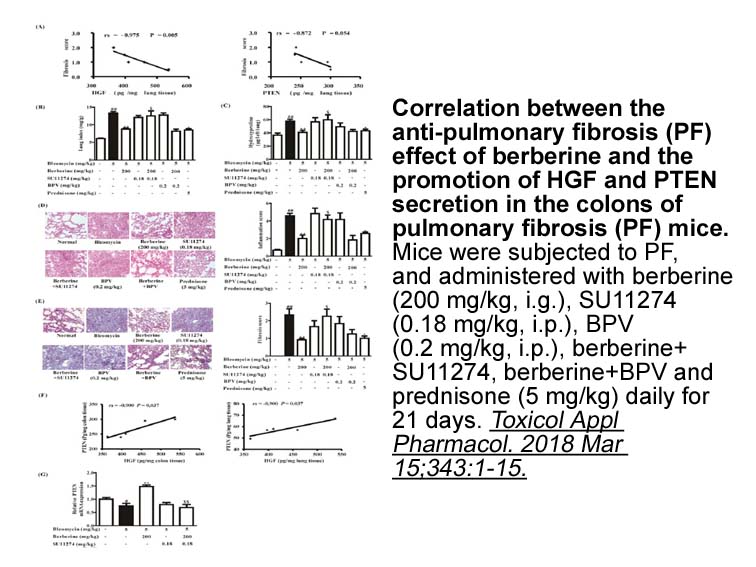
Ubiquitylation of the TGFβ/BMP pathway components Ubiquitylation is a reversible post-translational modification that is essential in many cellular regulatory mechanisms [20], [21]. During the ubiquitylation cascade, ubiquitin is attached to target proteins through the concerted actions of an E1-
-
Consistent with a clear separation of biological function be
2021-07-07

Consistent with a clear separation of biological function between ARISC and BRISC in cells, mutations in BRCC36 and Abraxas are prevalent in cancer genomes whereas mutations in KIAA0157 are rare. A survey of the Catalogue of Somatic Mutations in Cancer (COSMIC) consortium, revealed that to date, 37
-
br DGKs bind and regulate other signalling proteins Based on
2021-07-07
DGKs bind and regulate other signalling proteins Based on the evidence noted above, DGKs achieve specificity of function through a combination of post-translational modifications, the availability of cofactors, and through the availability and access to substrate DAG. DGKs appear to achieve an ad
-
This hydrophobic biphenyl tail gave good binding affinity
2021-07-07

This hydrophobic biphenyl tail gave good binding affinity for human DHODH enzyme (IC pannexin-1 inhibitor was found to be the main metabolite in human microsomes and it was 100-fold less active against hDHODH than the ester. In an attempt to identify the specific non-covalent binding interactions w
-
A summary of the drug CDK hydrophobic hydrogen bonding H
2021-07-07
A summary of the drug-CDK2/6/9 hydrophobic (Φ), hydrogen-bonding (H), and polar-bonding (P) interactions based upon the KLIFS residue numbers is provided in Table 5. The KLIFS system gives comparable residues from different 1423 the same value [77], which facilitates comparisons among different pro
-
A 350619 hydrochloride Thus the exact mechanisms responsible
2021-07-07
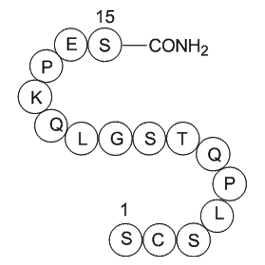
Thus, the exact mechanisms responsible for progestogen-induced changes in immune response are not known but the effects are believed to be exerted through receptor-mediated interactions. Since the mPR α is known to be a G protein-coupled receptor in fish, downstream signaling cascades via secondary
-
Twin studies have shown that P has
2021-07-06

Twin studies have shown that P has moderate heritability. Zuckerman (1989) reviewed the earlier studies of P or related traits and found a median heritability of 0.51. However, twin studies using an Eysenckian P scale have tended to estimate somewhat lower heritabilities than this, in the range 0.36
-
If the factors needed for A NHEJ are
2021-07-06
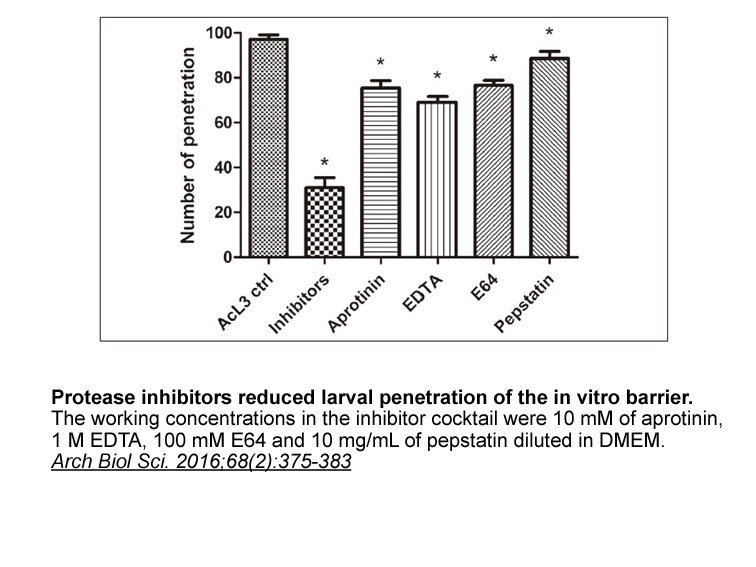
If the factors needed for A-NHEJ are not completely defined and the A-NHEJ reaction mechanism nebulous, it is also fair to say that the biological role(s) of A-NHEJ is even more poorly understood. Most of the current interest in A-NHEJ, however, stems from its implicated use in the chromosomal trans
15918 records 638/1062 page Previous Next First page 上5页 636637638639640 下5页 Last page