Archives
- 2026-07
- 2026-06
- 2026-05
- 2026-04
- 2026-03
- 2026-02
- 2026-01
- 2025-12
- 2025-11
- 2025-10
- 2025-09
- 2025-03
- 2025-02
- 2025-01
- 2024-12
- 2024-11
- 2024-10
- 2024-09
- 2024-08
- 2024-07
- 2024-06
- 2024-05
- 2024-04
- 2024-03
- 2024-02
- 2024-01
- 2023-12
- 2023-11
- 2023-10
- 2023-09
- 2023-08
- 2023-07
- 2023-06
- 2023-05
- 2023-04
- 2023-03
- 2023-02
- 2023-01
- 2022-12
- 2022-11
- 2022-10
- 2022-09
- 2022-08
- 2022-07
- 2022-06
- 2022-05
- 2022-04
- 2022-03
- 2022-02
- 2022-01
- 2021-12
- 2021-11
- 2021-10
- 2021-09
- 2021-08
- 2021-07
- 2021-06
- 2021-05
- 2021-04
- 2021-03
- 2021-02
- 2021-01
- 2020-12
- 2020-11
- 2020-10
- 2020-09
- 2020-08
- 2020-07
- 2020-06
- 2020-05
- 2020-04
- 2020-03
- 2020-02
- 2020-01
- 2019-12
- 2019-11
- 2019-10
- 2019-09
- 2019-08
- 2019-07
- 2019-06
- 2019-05
- 2019-04
- 2018-07
-
Celecoxib We addressed the role of
2022-04-08
We addressed the role of GSNOR-mediated T-cell activation in HHcy-accelerated atherosclerosis in vivo by two mouse models. Generated for the first time, GSNOR-/-ApoE-/- double knock-out mice showed decreased atherosclerosis in aortic roots in response to HHcy. The specificity of GSNOR ablation in T
-
Human GPR hGPR was originally isolated in
2022-04-08

Human GPR55 (hGPR55) was originally isolated in 1999 as an orphan GPCR with high levels of expression in human striatum (Sawzdargo et al., 1999) (Genbank accession # NM_005683.3). hGPR55 was mapped to human chromosome 2q37, and in the human CNS it is predominantly localized to the caudate, putamen,
-
In this study we provide biochemical and immunohistochemical
2022-04-08
In this study we provide biochemical and immunohistochemical evidence for the localization of the glycine transporter GLYT1 in synaptic vesicles. Previously, it was thought that GLYT1 was exclusively a glial protein (Zafra et al., 1995a). However, due to a partial discrepancy between mRNA and protei
-
br Introduction Lichen forming fungi LFFs have evolved in va
2022-04-08
Introduction Lichen-forming fungi (LFFs) have evolved in various classes, including Arthoniomycetes, Coniocybomycetes, Dothideomycetes, Eurotiomycetes, Lecanoromycetes, Leotiomycetes and Lichinomycetes, in Ascomycota (James et al., 2006, Schoch et al., 2009a, Lumbsch and Rikkinen, 2017, Prieto et
-
After ischemia expression of transcription factors including
2022-04-08
After ischemia, expression of transcription factors, including products of immediate early genes, stress proteins and neurotrophic factors are also altered in CA1 neurons78, 79. These proteins are potential candidates for downregulating of GluR2 expression by reducing mRNA transcription or stability
-
Tetrazole receptor br GR Is a Transcriptional Activator
2022-04-08
GR Is a Transcriptional Activator How GR activates some genes while repressing others remains unsettled after decades of study. While significant controversy exists regarding GR-mediated repression, a consensus model for transcriptional activation has emerged: GR activates transcription through s
-
In accordance with its similarity to classical NLSs Importin
2022-04-08
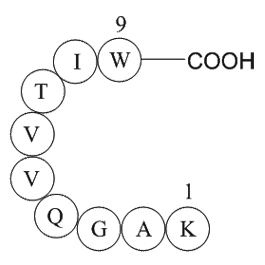
In accordance with its similarity to classical NLSs, Importin α3 was recently reported as a nuclear transport receptor for Ci (). We therefore superimposed the Gli1 NLS model with the Importin α2 structure (3EFX), which has a structure similar to Drosophila Importin α3 () (Fig. 4.4B). Gli1 NLS fitte
-
As we showed earlier a to min incubation with mM
2022-04-08
As we showed earlier [19], a 20- to 30-min incubation with 2mM t-BHP resulted in erythrocyte swelling, which was less in a Ca2+-containing medium. Given that this effect was abolished in the presence of the Gardos channel inhibitor CLT, as well as in media high in K+, we suggested the contribution f
-
In conclusion we have shown
2022-04-07
In conclusion, we have shown that the brain penetrating ability of heteroaryl piperazine and piperadine ureas can be modulated through small structural changes to the heteroarenes, the piperazine or piperidine core, and the biaryl ether tail. Compounds exhibiting / ratios ranging as high as 4.2:1 to
-
873 Accumulating evidence suggests that the NGF family
2022-04-07
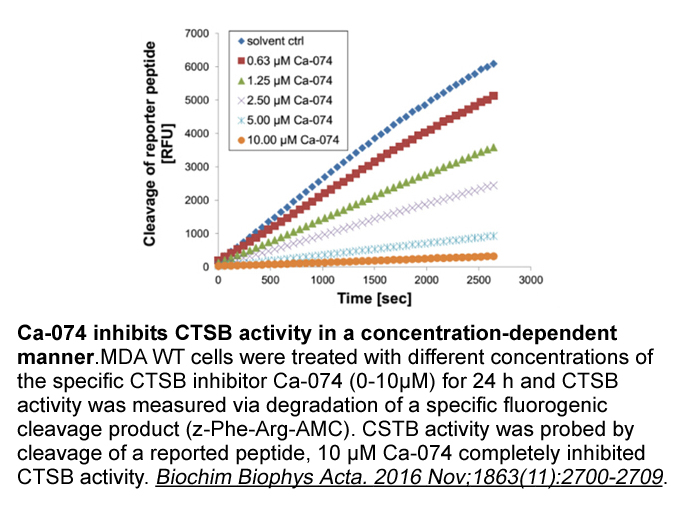
Accumulating evidence suggests that the NGF family of neurotrophins have important modulatory roles in opioid analgesia and addiction [36]. The NGF family of neurotrophins include NGF, 873 derived neurotrophic factor (BDNF), neurotrophin-3 (NT3), and neurotrophin-4 (NT4) [37]. BDNF knockout mice de
-
An azabicyclic compound named S a
2022-04-07
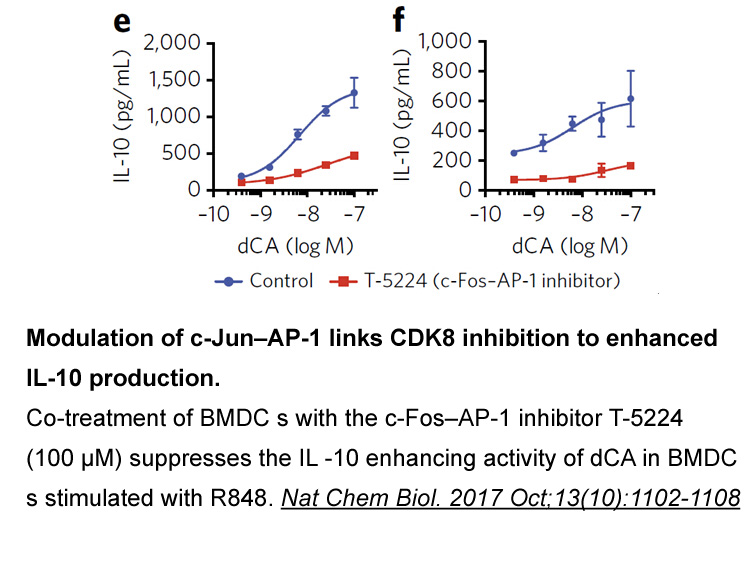
An azabicyclic Vanoxerine dihydrochloride named S 38093, (4-[3-(3,3a,4,5,6,6a-hexahydro-1H-cyclopenta[c]pyrrol-2-yl)propoxy]benzamide), was introduced by Servier with H3R antagonist and inverse agonist activity (Sors et al., 2017). The compound contains all the drug-likeness criteria owing to its p
-
The repurposing of well characterized
2022-04-07
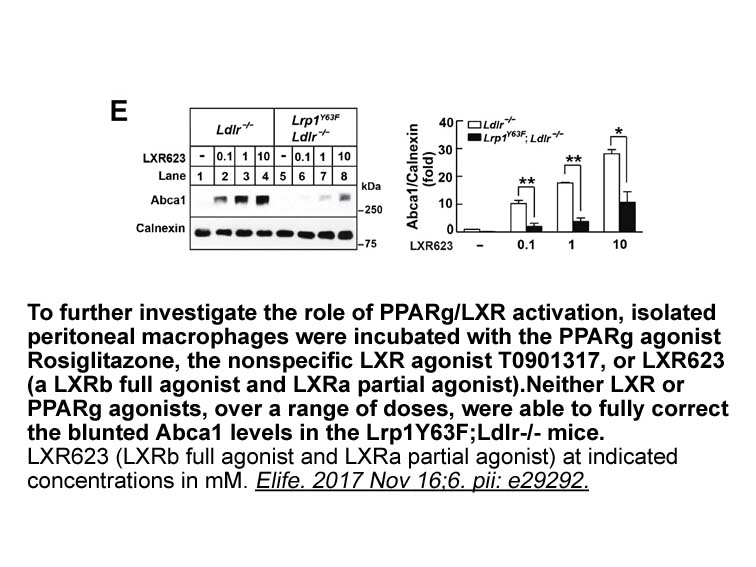
The repurposing of well-characterized and well-tolerated drugs in order to treat illnesses for which they were not originally intended has emerged as an attractive alternative to a long and costly process of drug development. Repositioning antihistaminergic ligands seems a promising idea given that
-
In hypoxic breast cancer cells BNIP mediated autophagy activ
2022-04-07
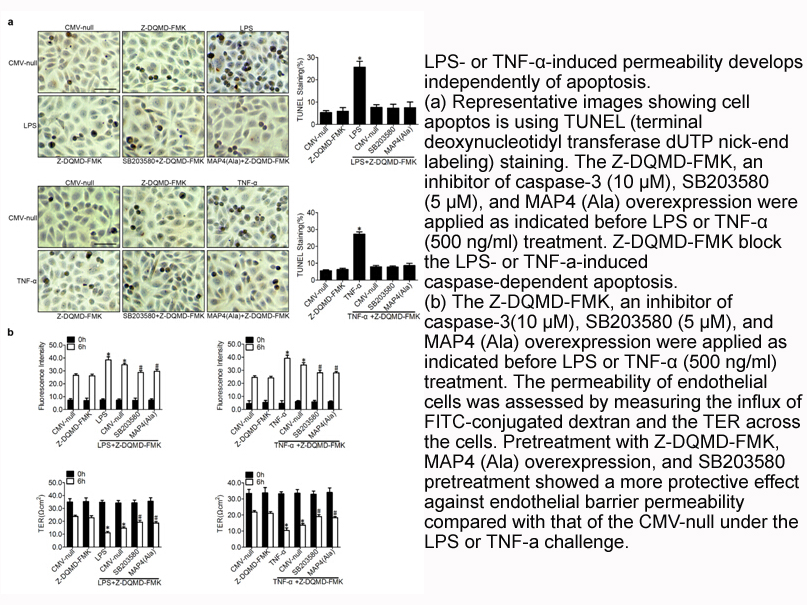
In hypoxic breast cancer cells, BNIP3-mediated autophagy activation and elevation of amino Oligomycin A synthesis levels were notable. BNIP3, a BCL-2 family protein, is known to be transcriptionally regulated by HIF-1α and to be involved in cancer cell death in hypoxic conditions [51]. As a link to
-
Apigenin trihydroxyflavone a natural plant
2022-04-07
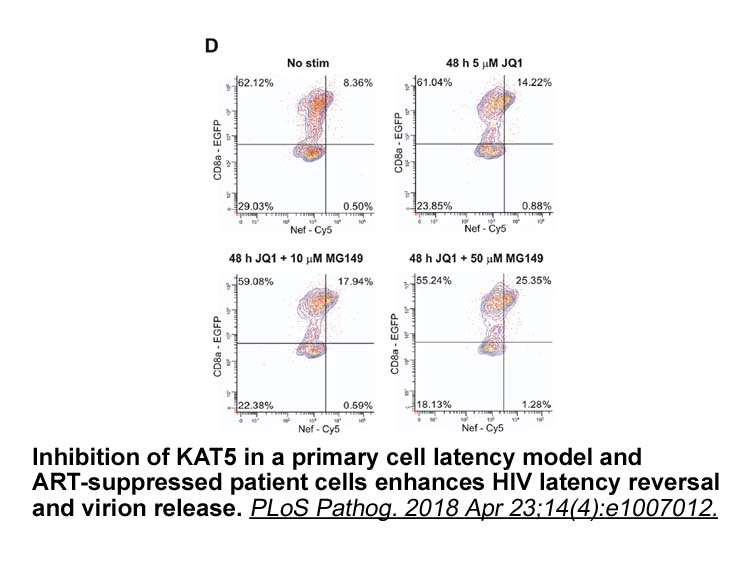
Apigenin (4′, 5, 7-trihydroxyflavone), a natural plant flavone, is a bioactive compound present in a variety of fruits, vegetables, and medicinal plants, and its various beneficial biological activities have been reviewed (Zhou et al., 2017), including HIF-1α inhibition-mediated anti-tumor. Recently
-
Hypoxia HIF and Inflammation Cellular
2022-04-07
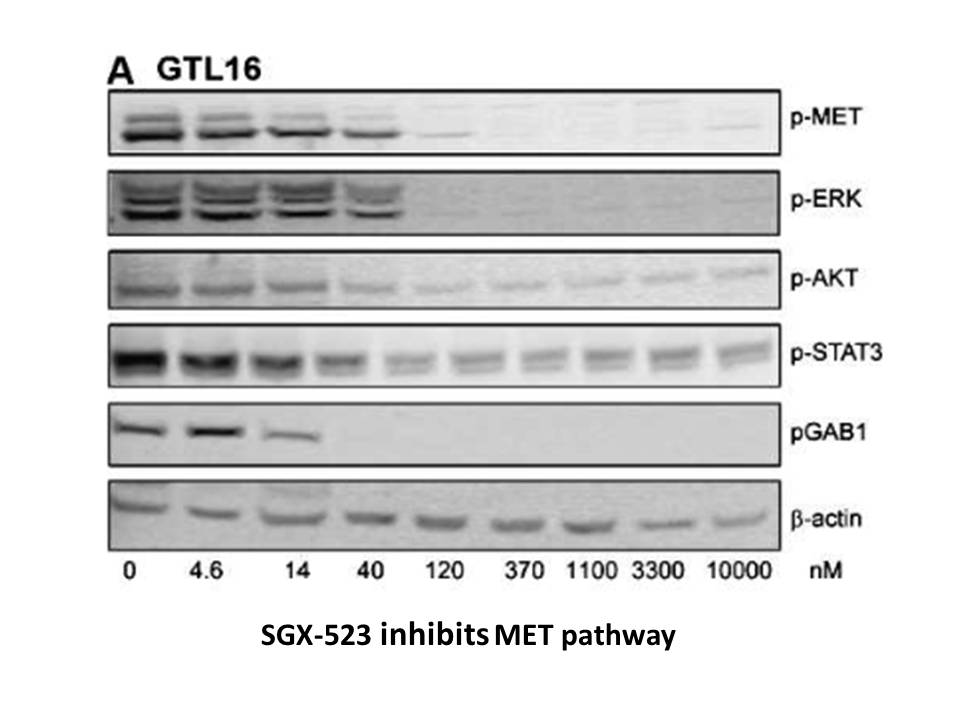
Hypoxia, HIF, and Inflammation Cellular responses to hypoxia are essential for life and are now recognized to be dysregulated in a wide range of disease processes. The key players in these pathways are a family of transcription factors, the hypoxia-inducible factors (HIFs; see Glossary), as well as
15909 records 469/1061 page Previous Next First page 上5页 466467468469470 下5页 Last page